
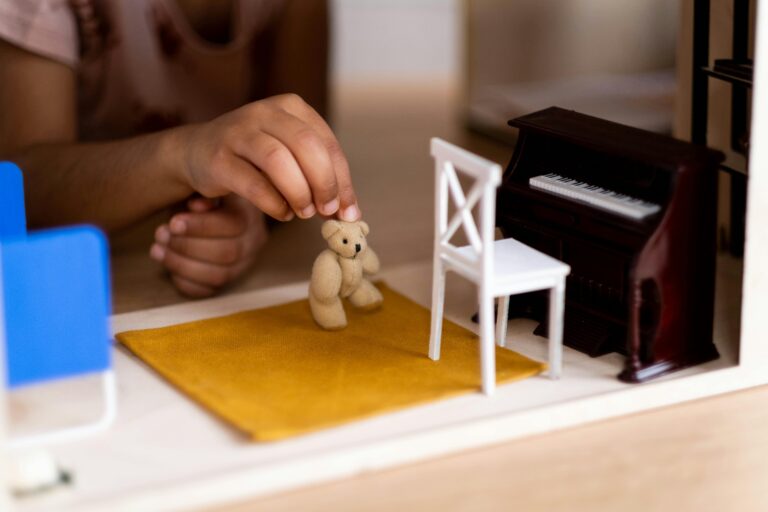
Many signs of real progress in child-centered play therapy are subtle—like a new way of playing, a small gesture of invitation, or a shift in how a child describes something. These moments—though easy to overlook—reveal deeper emotional growth, symbolic expression, and strengthening therapeutic connection.
Read More »
Child-Centered Treatment Plans: Tracking Behavioral and Internal Growth
Empowering growth in child-centered treatment means tracking both behavior and inner change. By distinguishing symptom-based goals (e.g., reducing meltdowns) from growth objectives (like enhancing self-regulation and flexibility), progress becomes clearer and more meaningful. This approach helps therapists and families support genuine emotional development—not just surface-level changes.
Read More »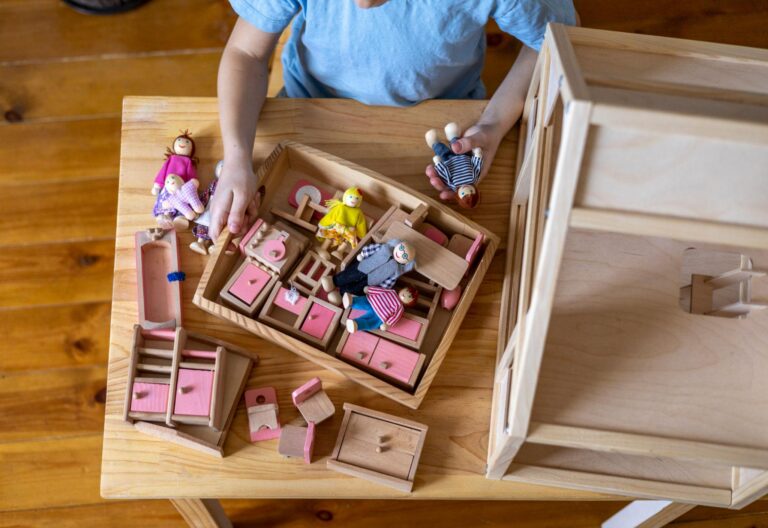
Declarative Language and Tracking Statements in Child-Centered Play Therapy
Declarative language and tracking statements help therapists stay grounded in the child’s experience during Child-Centered Play Therapy. By noticing and describing what the child is doing, therapists not only communicate understanding and safety but also support children in building awareness, language, and confidence in their own experiences.
Read More »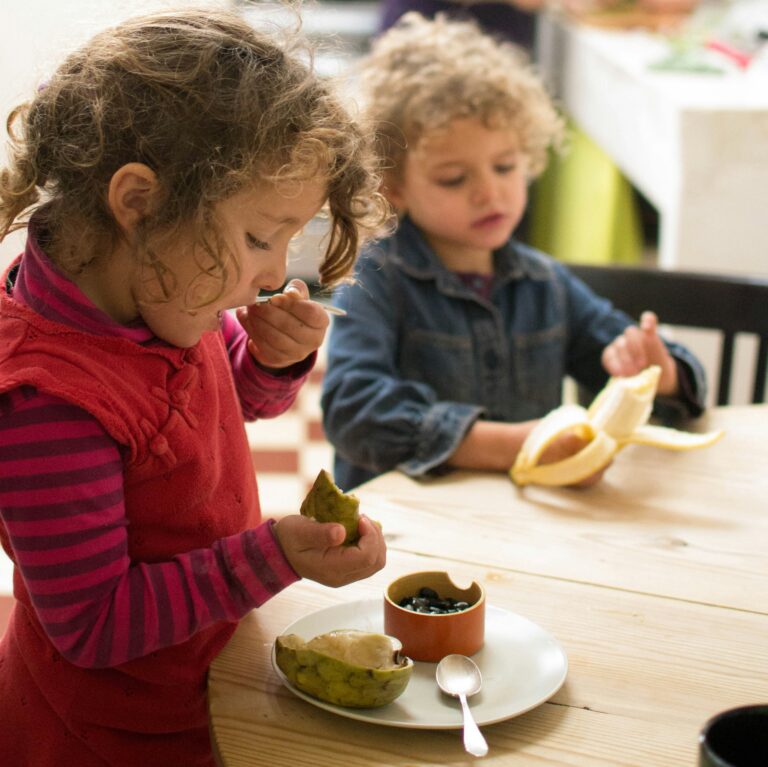
Pediatric Feeding Disorder & Why Interdisciplinary Training Matters
In Child-Centered Play Therapy, every toy is chosen with purpose—because in this space, “toys are their words and play is their language.” A thoughtful playroom balances safety, diversity, and emotional expression while reflecting both the child’s and therapist’s needs. When intention guides your setup, the room itself becomes a partner in healing.
Read More »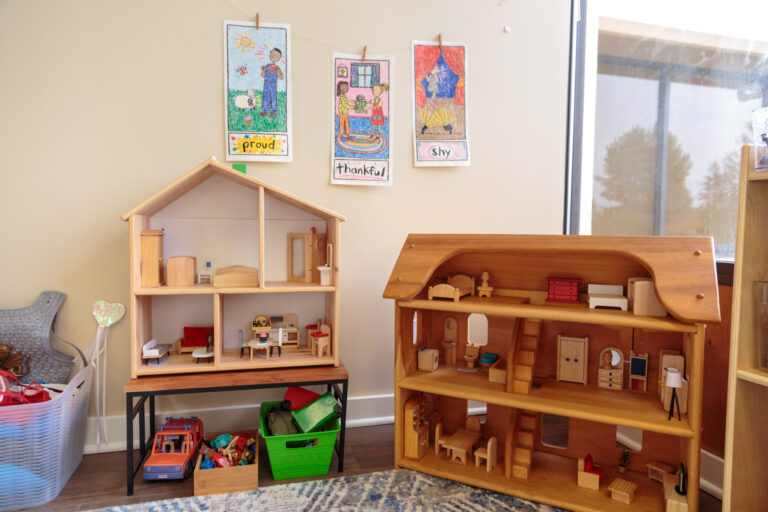
Building an Inclusive Playroom: What to Consider When You’re Getting Started
In Child-Centered Play Therapy, every toy is chosen with purpose—because in this space, “toys are their words and play is their language.” A thoughtful playroom balances safety, diversity, and emotional expression while reflecting both the child’s and therapist’s needs. When intention guides your setup, the room itself becomes a partner in healing.
Read More »