
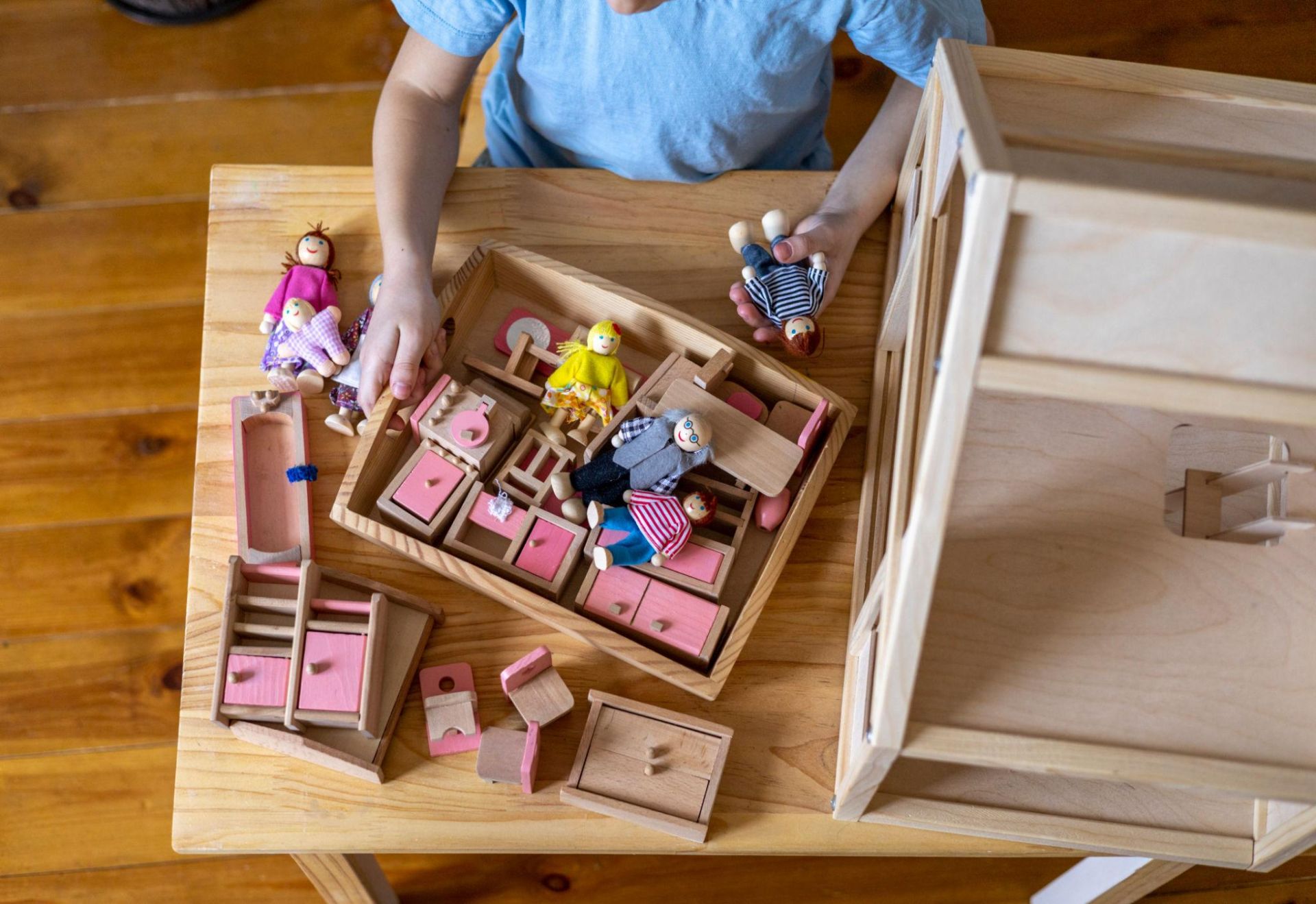
Child-centered play therapists are trained to use tracking statements to follow a child’s play and reflect their actions in the moment. Tracking communicates presence and acceptance while helping children become aware of their own choices and behaviors.
Declarative language can also become a practical communication tool for parents and caregivers who want to increase awareness and connection without relying on questions or commands.
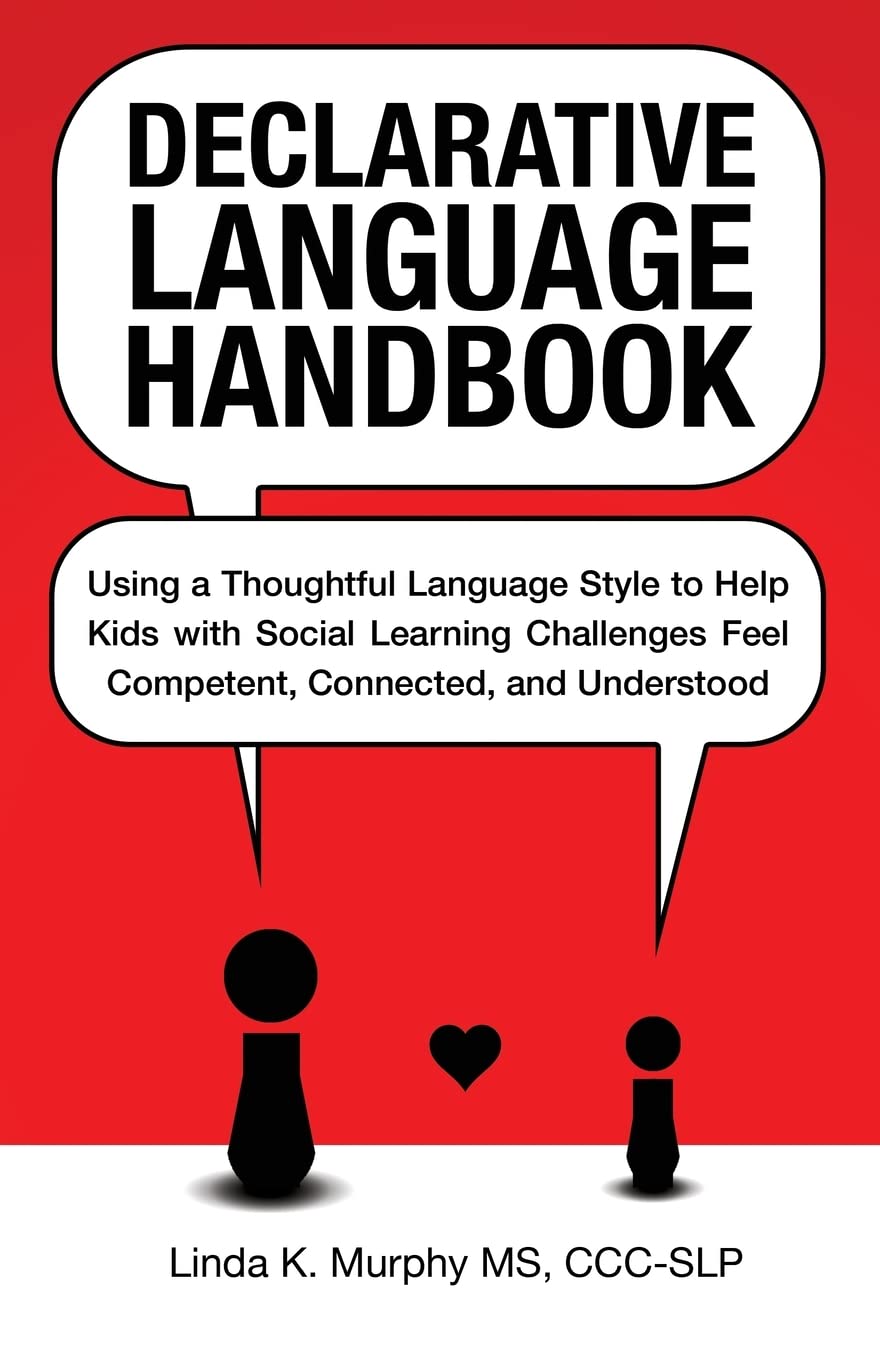
Another communication approach that can complement this work is declarative language, described in the work of Linda K. Murphy.
Declarative language is especially helpful for children who struggle with social referencing, perspective taking, or flexible thinking. Rather than directing behavior, asking questions, or correcting the child, declarative statements share observations about what can be noticed in the moment. This invites children into shared observation and curiosity, allowing them to draw their own conclusions about what is happening.
Declarative language and play therapy tracking share a common foundation: noticing without directing.
Tracking statements help children become aware of their own actions and experiences. Declarative language often expands the observation to include context, relationships, and perspective.
Using declarative language in CCPT can help children increase their awareness of:
- what others might see
- what is happening in the environment
- how actions affect the situation around them
Declarative language can also become a practical communication tool for parents and caregivers who want to increase awareness and connection without relying on questions or commands.
Examples in the Playroom
Implications for Play Therapy Documentation (CCD)
Sharing Declarative Language with Caregivers
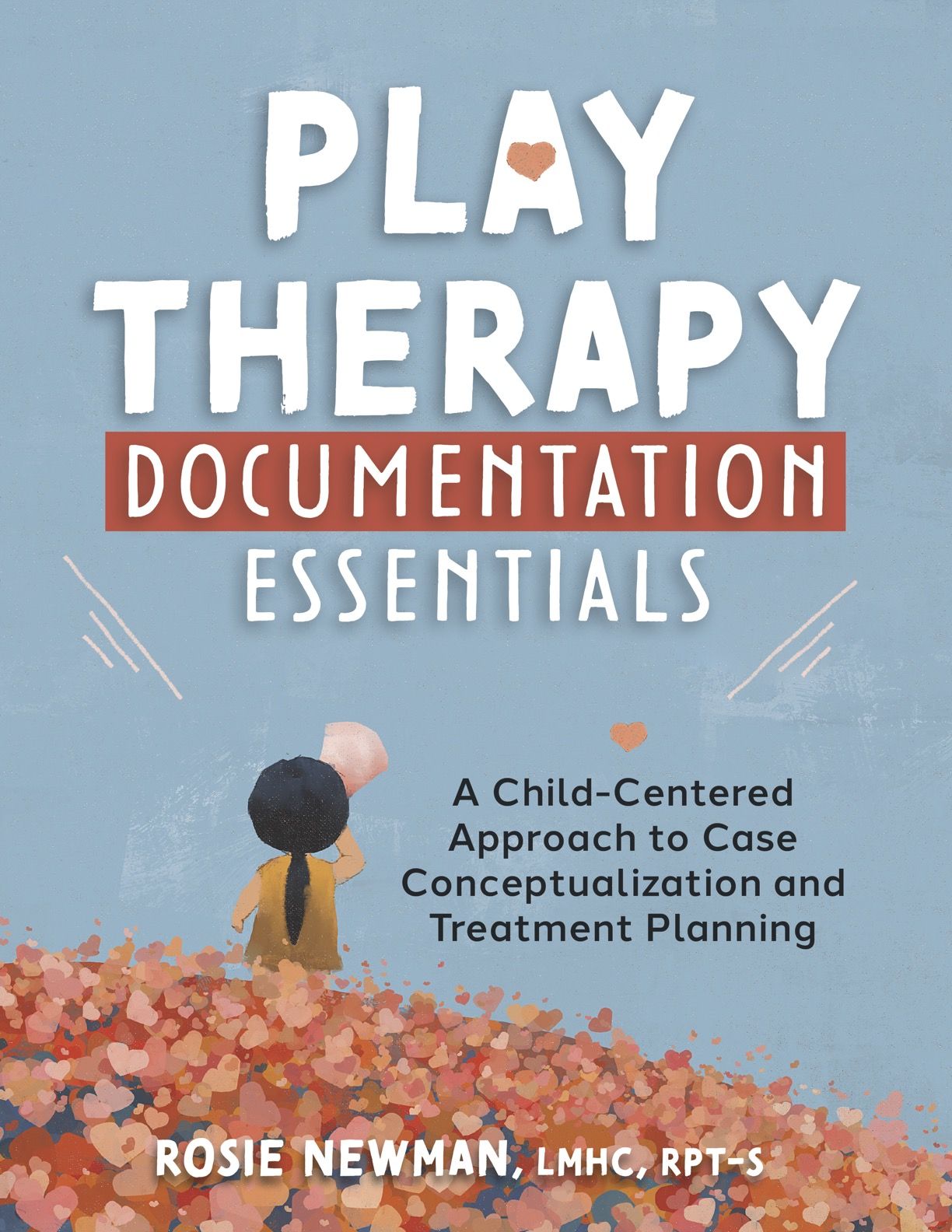
Additional Resources

Created with